The Psychology of Color in Casino Design
Color plays a pivotal role in shaping human emotions and behavior, which is why casinos invest heavily in their color schemes. For example, red is frequently used in various casino elements because it radiates excitement and energy. This vivid hue can stimulate adrenaline and heighten senses, making players more inclined to engage in gaming activities for extended periods, especially at places offering $20 neosurf casino australia real money promotions. On the other hand, cooler colors like blue can evoke a sense of calm, strategically placed in areas meant for relaxation and socialization, such as lounges or bars, creating an inviting environment that balances excitement and tranquility.
Moreover, color significantly influences decision-making processes. Bright and warm colors are believed to generate urgency, pushing players toward quick choices—ideal for the fast-paced atmosphere of gaming. By incorporating such hues into signage and promotional displays, casinos can enhance player engagement and encourage participation. This psychological aspect means that the right color choices can lead to increased gambling activity, as they resonate with visitors on a subconscious level, creating a welcoming yet exciting ambiance.
Additionally, the strategic use of color helps differentiate spaces within a casino. Each area, whether it’s the gaming floor, high-limit room, or dining establishment, is designed with specific colors to cultivate distinct atmospheres. This not only aids in navigating the venue but also establishes a unique ambiance that enhances the overall guest experience. Through thoughtful color schemes, casinos can create a distinct identity, influence behavior, and ultimately drive revenue, maximizing their operational potential.
Design Elements That Attract Players
Beyond color, the overall design of a casino is intricately crafted to attract players and keep them engaged. High ceilings, open layouts, and luxurious materials contribute to a sense of opulence and escapism, creating an inviting atmosphere that encourages guests to explore. For instance, the strategic placement of gaming machines and tables is designed to ensure that players feel immersed in the action while also having easy access to various attractions, fostering a sense of engagement that keeps them on the premises longer.
The arrangement of spaces plays a crucial role in enhancing player interaction. Casinos often incorporate design features such as curved pathways and eye-catching signage to guide players seamlessly through different sections without overwhelming them. This design strategy ensures that patrons remain exposed to gaming opportunities, increasing the likelihood of continued play. It’s a subtle yet impactful way to improve the overall gaming experience and prolong their stay in the casino.
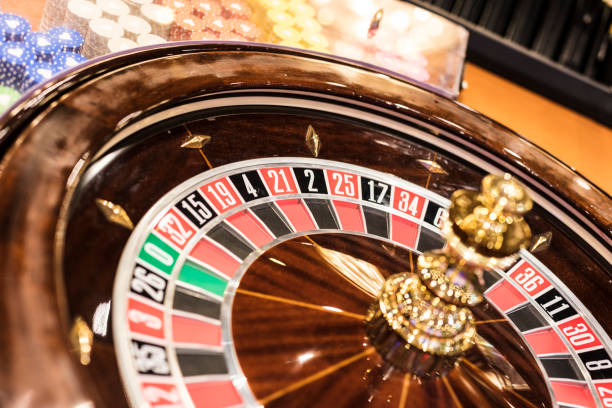
Another essential design element is the incorporation of themes and motifs that resonate with the target audience. Whether it’s a lavish classic Las Vegas vibe or a modern, chic aesthetic, the thematic design creates a narrative that attracts and retains visitors. Such themes can be reinforced through décor, lighting, and entertainment options, all contributing to a cohesive brand image that players emotionally connect with. This narrative not only enhances the visual appeal but also deepens the overall experience, making guests more likely to return.
The Role of Lighting in Casino Environments
Lighting is a vital aspect of casino design that significantly influences player behavior and mood. Soft, ambient lighting is often used in gaming areas to create a relaxed atmosphere, while brighter lights are strategically positioned in areas that require heightened excitement. For instance, spotlighting on game tables can amplify the thrill, drawing players to participate in high-stakes games. This careful balance of lighting can keep players visually stimulated while also providing a sense of comfort, allowing them to fully immerse themselves in the experience.
Furthermore, dynamic lighting can create an ever-changing atmosphere, making the casino feel more vibrant and exciting. The use of advanced lighting technologies, such as LEDs, allows venues to change colors and intensities to adapt to the time of day or special events. By creating an immersive experience, casinos can evoke different emotions and encourage patrons to stay longer, ultimately resulting in increased spending and engagement. This adaptability in lighting design is essential for maintaining a lively and attractive environment.
Additionally, lighting can be utilized to highlight specific areas or promotions, guiding players toward certain games or experiences. By illuminating jackpot areas or featured slots, casinos can draw attention to potential winnings, stimulating interest and player engagement. An effective lighting design plays an integral role in shaping the overall casino experience, enhancing both visual appeal and player interaction, making it a crucial element in casino architecture.
The Influence of Layout on Visitor Behavior
The layout of a casino is fundamental in shaping customer flow and overall experience. Casinos are intentionally designed with open-plan layouts that encourage exploration, allowing players to navigate freely from one gaming area to another without feeling confined. This design strategy is purposeful; it keeps players engaged, as they are more likely to stumble upon new games and experiences. An open layout enhances social interactions, fostering a sense of community among patrons and enriching the gaming experience.

Strategically placed amenities, such as bars, restaurants, and entertainment venues, further enhance the layout. By situating these elements within or near gaming areas, casinos ensure that players have convenient access to refreshments and entertainment without needing to exit the gaming zone. This seamless integration encourages extended play and maintains high energy levels, ensuring that visitors have everything they need within reach. The thoughtful arrangement of amenities plays a significant role in keeping guests satisfied and engaged during their visit.
Moreover, the use of pathways and sightlines is essential for directing players toward high-traffic areas. By designing a layout that naturally guides guests to popular gaming sections, casinos can effectively funnel foot traffic, maximizing engagement and participation. Overall, a well-thought-out layout not only enhances customer experience but also serves to increase the casino’s revenue through sustained player presence, making it a crucial element of casino design.
Exploring Our Website for More Insights
For those looking to delve deeper into the fascinating world of casino design and marketing strategies, our website offers a wealth of information. Here, you can explore articles that cover various aspects of casino operations, from architecture to customer engagement techniques. Our content is tailored for both enthusiasts and industry professionals seeking to understand the intricacies of gaming environments and the strategic choices behind them.
Visitors can also find case studies and analyses that showcase successful casino design implementations and the impact of décor on player behavior. Our goal is to provide comprehensive insights that inform and educate readers about the sophisticated strategies behind casino aesthetics. Understanding design elements, psychology, and layout choices is crucial in this vibrant industry, and we aim to shed light on these critical factors.
Engage with our community through forums and discussions, where you can share your experiences and insights related to casino visits. Whether you are intrigued by the aesthetics or the economics of gaming, our platform offers an interactive space to discover and discuss the relevant trends in casino design and operational strategies. Join us in exploring these captivating topics and more, as we delve into the world of gaming and its ever-evolving landscape.