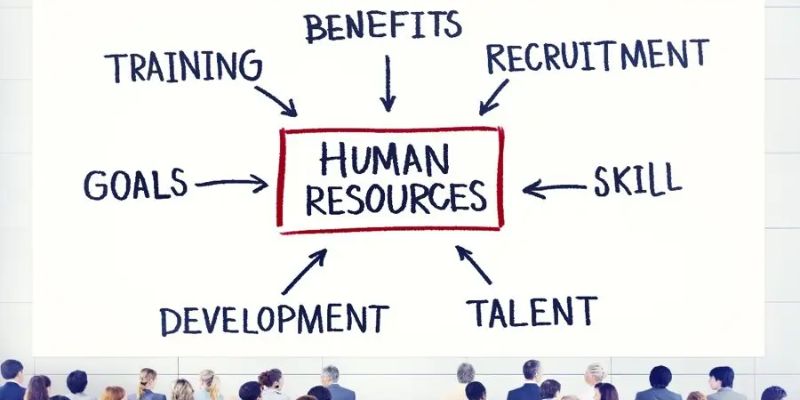
By managing people, culture, and workplace development, human resources (HR) experts can influence corporate success. HR has developed into one of the most exciting and fulfilling employment disciplines. Recruitment and payroll are no longer the only aspects of modern HR; strategic planning, employee engagement, talent management, learning and development, compensation, compliance, and workforce analytics are now all included. The need for qualified HR specialists with specialized knowledge is rising quickly as companies continue to grow across industries.
Selecting the appropriate HR specialization is a crucial career choice since it affects the kind of work you do, the skills you acquire, and your long-term professional development. It is crucial to comprehend how each sector contributes to organizational performance because each expertise offers distinct chances and obligations. You can also learn through FITA Academy. This article examines the top HR specializations and assists you in choosing the one that best suits your interests, skills, and professional goals.
Talent Acquisition and Recruitment
Since every firm depends on acquiring qualified workers to meet its objectives, talent acquisition is one of the most well-liked HR specialties. Identifying workforce needs, finding competent applicants, conducting interviews, organizing evaluations, negotiating job offers, and guaranteeing a favorable candidate experience throughout the recruitment process are the responsibilities of professionals in this industry. Modern talent acquisition, in contrast to traditional recruiting, emphasizes employer branding, long-term workforce planning, and deliberate recruitment tactics that draw in top talent.
While utilizing digital recruitment platforms, social media, and applicant monitoring systems to expedite hiring, recruiters often work in tandem with department managers to comprehend certain job requirements. This specialism is frequently quite fulfilling for people who like networking, communication, developing relationships, and assessing talent. Talent acquisition provides excellent career stability, prospects for progress, and exposure to a variety of industries across both domestic and international markets because firms are always looking for competent workers.
Learning and Development (L&D)
Through ongoing training programs, learning and development, or L&D, aims to enhance workers’ knowledge, abilities, and general performance at work. To guarantee that workers stay competitive in evolving company contexts, experts in this field identify skill gaps, create training programs, plan seminars, plan leadership development activities, and assess learning results. Organizations are investing more in employee development to boost productivity, innovation, and retention as technology and workplace expectations change quickly.
In order to comprehend organizational goals and develop tailored learning strategies that promote both individual and corporate growth. You can also learn through HR Course In Chennai for expert guidance. HR specialists working in L&D closely collaborate with department heads. This expertise requires strong presenting, communication, instructional design, and analytical abilities. Learning and development is one of the most rewarding and significant HR career pathways for people who appreciate mentoring others, creating training materials, and assisting staff members in realizing their full potential.
Compensation and Benefits Management
The specialized HR department of compensation and benefits is in charge of creating reward programs that are competitive, equitable, and inspiring in order to draw in and keep exceptional workers. Experts in this area examine pay scales, create incentive plans, oversee employee benefits, give performance bonuses, and guarantee adherence to company and labor regulations. In order to help businesses maintain their competitiveness while balancing operating budgets, they also research market salary trends. This specialty is crucial for increasing staff motivation and lowering turnover because employee happiness and pay are strongly related.
Strong analytical skills, attention to detail, numerical proficiency, and familiarity with employment laws are necessary for HR professionals working in compensation. They often work along with top management and finance departments to develop pay plans that complement company goals. Compensation and Benefits provides great long-term career possibilities and professional growth chances for people who appreciate data analysis, strategic planning, and decision-making.
Employee Relations and HR Operations
The goal of HR operations and employee relations is to keep the workplace happy, productive, and compliant so that workers can do their jobs well. Experts in this field handle employee complaints, settle disputes at work, interpret company policies, make sure labor laws are followed, and encourage constructive dialogue between staff and management. You can learn it form Training Institute in Chennai with expert guidance. Additionally, they are in charge of daily HR operations, such as employee engagement initiatives, performance support, documentation, attendance management, and onboarding. Success in this career requires strong interpersonal skills and familiarity with employment rules.
By resolving workplace issues in a fair and consistent manner, employee relations specialists greatly contribute to the development of a strong corporate culture. This specialism has become more strategic than ever as businesses prioritize corporate culture and employee well-being. Employee relations and HR operations positions are frequently filled by people that take pleasure in problem-solving, employee support, and fostering a positive work environment.
HR Analytics and Strategic Human Resource Management
HR Analytics is one of the fastest-growing disciplines in the field because technology has made HR a data-driven job. In order to support well-informed business choices about hiring, employee performance, retention, productivity, and workforce planning, HR analytics specialists gather, evaluate, and analyze workforce data. They find patterns that assist businesses enhance employee engagement and maximize talent management tactics by utilizing analytical tools and HR software. By coordinating HR procedures with overarching corporate goals, strategic human resource management goes beyond administrative duties.
Experts in this field take part in succession planning, leadership development, organizational planning, and long-term workforce plans that promote business expansion. Strong analytical thinking and problem-solving skills are generally the hallmarks of success in this field. HR analytics and strategic HR continue to provide modern HR professionals interesting career options as businesses depend more and more on worker data to stay competitive.
How to Choose the Right HR Specialization
It’s important to carefully assess your interests, strengths, career goals, and preferred working style while choosing an HR specialization. While those who are enthusiastic about teaching and mentoring frequently succeed in Learning and Development, those who enjoy interacting with people and spotting talent may find Talent Acquisition to be extremely fulfilling. Compensation & Benefits may be more appealing to professionals who like examining data, market trends, and pay structures. We know what are the HR professional development goals. While Employee Relations is a better fit for people who are adept at communicating and resolving conflicts.
Consider HR Analytics or Strategic Human Resource Management if you’re interested in data analysis, technology, and business strategy. Prior to choose a long-term specialization, it is also beneficial to obtain real-world experience through internships, certificates, or entry-level HR positions. Professionals can identify their strengths and develop a flexible skill set that supports future career progression in the always changing world of human resources by investigating various HR functions.