The House Always Wins: Understanding the Odds
One of the most prevalent myths surrounding casinos is the belief that players can consistently beat the house. The reality is that casinos are designed with a built-in advantage known as the house edge. This edge varies depending on the game, but it ensures that, over time, the casino will always make a profit. For example, in games like blackjack, the house edge can be as low as 0.5% if played optimally, while in slots, it can soar to over 10%. Many players are also drawn to the opportunities available at a fast payout online casino , which can offer exciting experiences but understanding this mathematical principle is crucial for anyone stepping into a casino, as it highlights the long-term inevitability of the house’s advantage.
The concept of the house always winning might seem disheartening, but it’s essential to recognize that luck does play a role in short-term outcomes. Many players may have stories of hitting the jackpot or winning big on their favorite game, and that’s where myths abound. However, these instances are outliers rather than the norm, often fueled by selective memory or exaggeration. When evaluating the chances of winning at any casino game, one must also consider the concept of variance, which can result in short-term wins but ultimately aligns with the house edge in the long run.
Furthermore, the psychological aspect cannot be overlooked. Casinos create environments that encourage prolonged play and spending, from the sounds of the slot machines to the free drinks for players. This strategic design plays into the myth that players can overcome the odds. The reality is that while individuals may enjoy a few lucky breaks, statistically, they will likely return more to the casino than they win. Acknowledging the power of the house edge is the first step in debunking the myth of consistently beating the house.
Strategies That Claim to Beat the Casino
Another common myth is that certain strategies or betting systems can help players beat the house. These systems often promote the idea that by adjusting bets according to previous outcomes, players can gain an advantage. Techniques such as the Martingale strategy, where players double their bets after a loss, have gained popularity among gamblers. However, while these methods can create the illusion of control, they often lead to substantial losses instead of profitable returns. Players may find themselves betting more than they can afford, hoping to recover losses that, more often than not, remain elusive.
The problem with these strategies is that they fail to change the inherent odds of the games. Each spin of a slot machine, each hand of poker, or each roll of the dice is independent of previous outcomes. This principle of independence means that no strategy can compensate for the house edge. Even if a player starts with a winning streak, there’s no guarantee that the trend will continue, leading many to experience the painful reality of chasing losses. A player might win a few rounds, only to find themselves losing progressively larger amounts as they rely on their strategy to recoup losses.

Additionally, the casinos are aware of these strategies and adjust their games accordingly. They implement betting limits and other measures to prevent players from exploiting these systems. This reality effectively nullifies many of the perceived advantages players think they have by employing betting strategies. Understanding that these systems are more about hope than actual effectiveness can help players approach gambling more realistically, focusing on the entertainment aspect rather than financial gain. Accepting that luck and skill have their limitations can lead to a more enjoyable gaming experience.
The Role of Luck versus Skill
Another myth in the casino world is the belief that skill can overcome luck in every game. While skill plays a significant role in games like poker and blackjack, where players can make strategic decisions, games like roulette and slots are purely games of chance. This distinction can lead to misconceptions about a player’s ability to influence the outcome of games based on their skill level. For instance, a skilled poker player may have an edge over inexperienced opponents, but they are still subject to the luck of the draw when it comes to the cards. In these scenarios, the unpredictability of luck can overshadow even the most skilled approaches.
Furthermore, the idea that one can consistently rely on skill in gambling fails to recognize the randomness inherent in all games. Even in skill-based games, the best players can face losses due to unforeseen circumstances, such as a poor card distribution or an opponent’s lucky streak. This unpredictability emphasizes the need for players to approach gambling with a balanced view of luck and skill. While cultivating skills can enhance enjoyment and improve chances of winning in specific games, it’s crucial to keep the role of luck in perspective. Winning streaks can be as fleeting as they are exhilarating.
Making informed decisions based on skill and strategy is beneficial; however, it is equally essential to acknowledge that luck can often overshadow these efforts. By embracing the interplay of luck and skill, players can enjoy their time at the casino more fully. It fosters a healthier attitude towards gambling, allowing individuals to appreciate the game without falling into the trap of overconfidence in their abilities. Recognizing that luck is an integral part of the experience can help mitigate disappointment and enhance enjoyment.
Chasing Losses: The Emotional Toll of Gambling
The myth that players can win back their losses often leads to a dangerous cycle of chasing losses. This phenomenon occurs when gamblers believe that a big win is just around the corner, prompting them to continue betting in hopes of recovering their previous losses. Unfortunately, this mindset can lead to considerable financial strain and emotional distress. Many players fall into the trap of believing that luck will eventually turn in their favor, leading to irrational betting and heightened risk. The emotional rollercoaster of gambling can cloud judgment, making it challenging to make rational decisions.
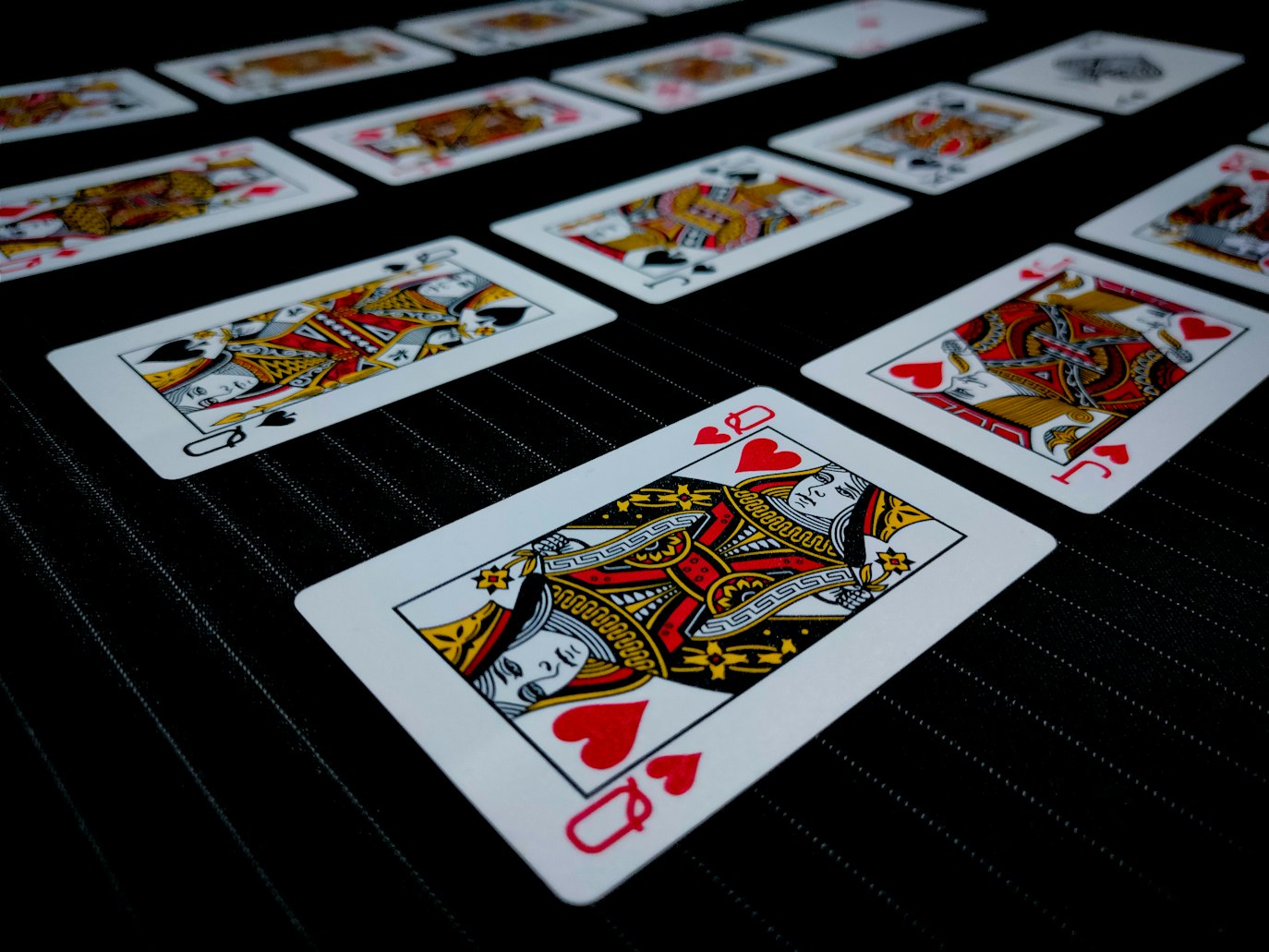
Moreover, the emotional toll of gambling can undermine a person’s financial stability. The pressure to win back lost funds can skew a player’s judgment, forcing them to stake larger sums or engage in riskier bets. This cycle can escalate quickly, leading to further losses that only exacerbate their challenges. Recognizing the emotional aspect of gambling is critical in understanding how it can affect behavior and decision-making, often reinforcing harmful gaming habits. Players may find themselves in a spiral, betting more to chase losses rather than enjoying the game for what it is.
It’s essential for players to set limits and approach gambling with a healthy mindset, understanding that losses are a part of the experience. Accepting that winning isn’t guaranteed can help mitigate the urge to chase losses and encourage more responsible gaming behavior. By recognizing emotional triggers and maintaining a balanced approach, players can enjoy the thrill of the casino while minimizing potential negative consequences. Developing strategies for emotional regulation can make a significant difference in how one navigates the highs and lows of gambling.
Your Trusted Resource for Responsible Gambling
For those interested in understanding casinos and gambling myths, there are numerous resources available to help educate players. Responsible gambling websites offer valuable information about understanding the odds, the nature of different games, and strategies for maintaining control during gameplay. These platforms are dedicated to empowering players with knowledge and tools that promote healthier gambling habits. Engaging with such resources can provide insights into responsible play and help mitigate the risks associated with gambling.
Additionally, many organizations provide support for those struggling with gambling addiction or the emotional toll associated with chasing losses. These resources often include hotlines, forums, and professional consultations that focus on awareness and recovery. Seeking help is an important step for individuals who find that their gambling habits adversely affect their lives. The availability of such support underscores the importance of prioritizing mental health and well-being in the context of gambling.
Ultimately, building awareness about the myths surrounding casino gambling can lead to a more fulfilling and enjoyable experience. By relying on trustworthy sources of information and recognizing the inherent risks involved, players can approach the exciting world of casinos with a sense of responsibility and enjoyment. Knowledge is a powerful ally in making informed choices about gambling, fostering a culture of safety and fun in the gaming environment.